
World Polio Day 2026: why we still give to end polio
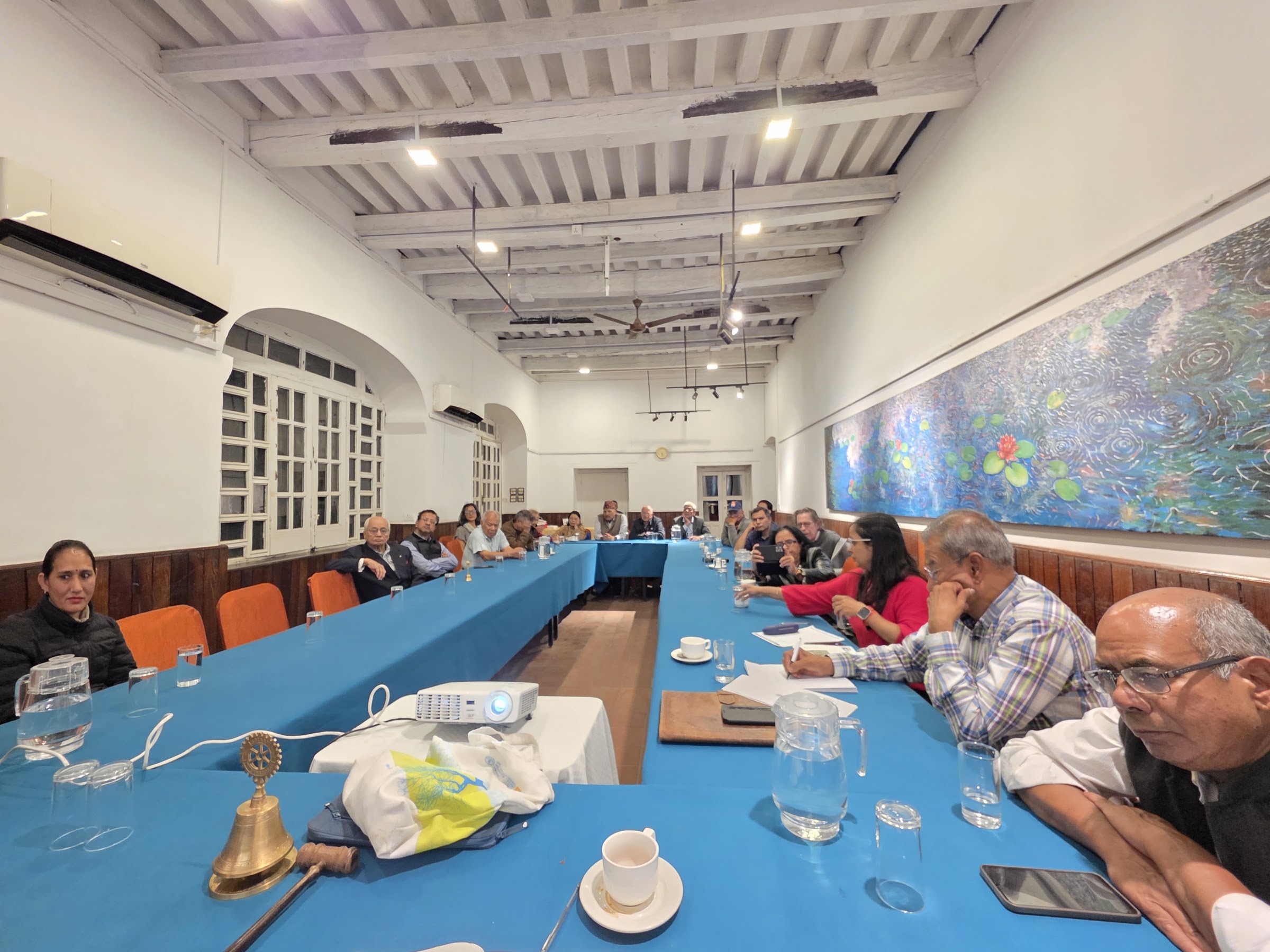
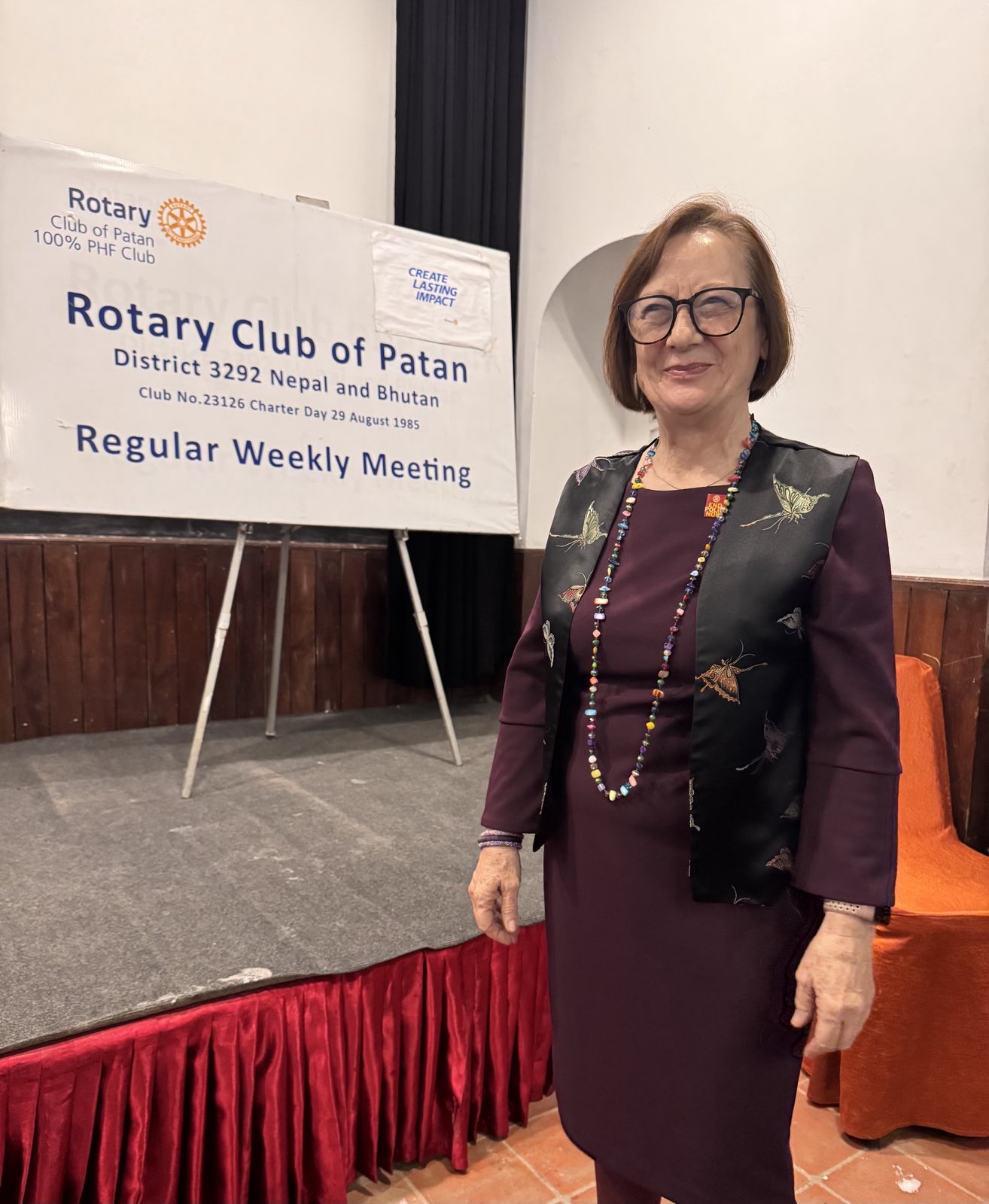
On 26 October 2026, our regular weekly meeting at Yala Maya Kendra marked World Polio Day. Rtn. Gabriele (Gaby) Mallapaty presented the history of the fight against polio, and Mr. Krishna Gautam shared his journey as a polio survivor. The evening closed with pledges to PolioPlus that, with matching, add up to about US$1,560 and NPR 6,000 for polio eradication.
Our pledges, multiplied
- Four members pledged US$200 (US$100, US$50, US$25 and US$25), and a guest pledged US$60 and NPR 1,000. Total: US$260 and NPR 1,000.
- Rtn. Gabriele Mallapaty matched every pledge one-to-one, from members and non-members alike, bringing the total to US$520 and NPR 2,000.
- The Gates Foundation matches contributions to Rotary’s PolioPlus fund two-to-one, so the total impact is about US$1,560 and NPR 6,000.
How the world came this close
Gaby ji, who worked with the Global Polio Eradication Initiative through UNICEF more than 20 years ago, traced the science behind the fight: Dorothy Horstmann’s 1952 finding that the virus travels through the bloodstream; Jonas Salk’s inactivated vaccine in 1955; Albert Sabin’s oral vaccine, which he refused to patent; and Mikhail Chumakov’s 1959 trials, which reached 10 million children.
Rotary stepped in in 1979, when its first 3-H grant funded oral polio vaccine for 6 million children in the Philippines. In 1985, under RI President Dr. Carlos Canseco and with the advice of Dr. John Sever and Dr. Albert Sabin, Rotary launched PolioPlus. It set out to raise US$120 million by 1988 and raised more than US$247 million. In 1988, the Global Polio Eradication Initiative was launched, with Rotary as a founding partner alongside WHO, UNICEF and the US CDC.
Since 1988, polio cases have fallen by more than 99.9%, from about 350,000 a year (close to 1,000 children paralysed every day) to a small number today. Wild poliovirus now survives only in Afghanistan and Pakistan.
Nepal’s polio journey
Gaby ji also took us through Nepal’s own story: oral polio vaccine in routine immunisation from 1981; National Immunisation Days and acute flaccid paralysis surveillance from 1996; elimination of indigenous wild poliovirus around 2000; certification as polio-free with the WHO South-East Asia Region in March 2014; and the introduction of the injectable polio vaccine into routine immunisation the same year. She closed with what lies beyond eradication: using the people, surveillance and campaigns built for polio to deliver other vaccines and essential health services.
A survivor’s perspective
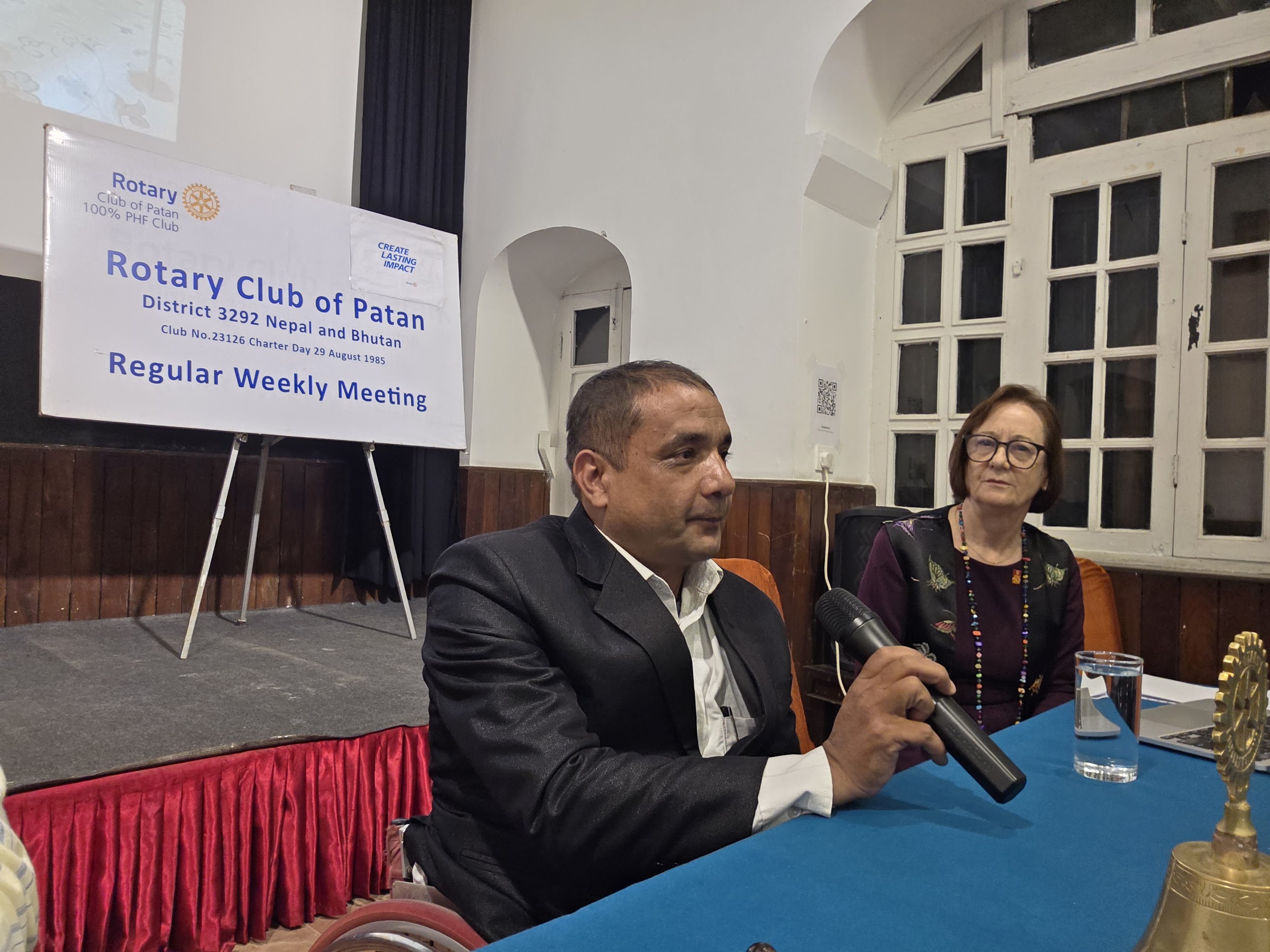
Mr. Krishna Gautam, a disability rights and independent living professional, told us how polio changed his life. He was about two years old and already walking when he fell ill overnight, and his legs were left paralysed. At the time, his community did not know what polio was. The illness was blamed on curses, witchcraft and angered deities, and his family turned to dhami-jhakri healers and temple offerings, without effect. His story is a reminder that vaccines alone are not enough. Awareness matters just as much.
The questions members asked
Members asked the questions many people ask, and both speakers answered them:
- Why do we still need to contribute? While polio exists anywhere, children everywhere are at risk. Stopping short of zero would undo decades of investment.
- Why doesn’t Rotary look beyond polio? It does. Polio is one of Rotary’s areas of focus, and our club runs scholarships, heart health, disability inclusion and other projects alongside it. Polio is the promise Rotary made to the world’s children in 1985, and we intend to keep it.
- Why mark World Polio Day every year? It keeps the unfinished job visible, brings new members into the story, and drives the giving that unlocks the Gates match.
Thank you
Our thanks to the members and our guest who pledged, to Gaby ji for matching every pledge, and to Krishna ji for sharing his story with such openness.
Earlier, on World Polio Day itself, our members rode in the Mega-Polio Cycle Rally from Bhaktapur Durbar Square.
You can contribute to PolioPlus at endpolio.org.